
-
ENIGMA Matt Black Red
Vendor:Available only in the DEMON online store - LAST PIECES REMAININGRegular price €62,93Regular priceUnit price per€89,90Sale price €62,93Sale -
ENIGMA Matt Gray Yellow
Vendor:Available only in the DEMON online store - LAST PIECES REMAININGRegular price €62,93Regular priceUnit price per€89,90Sale price €62,93Sale

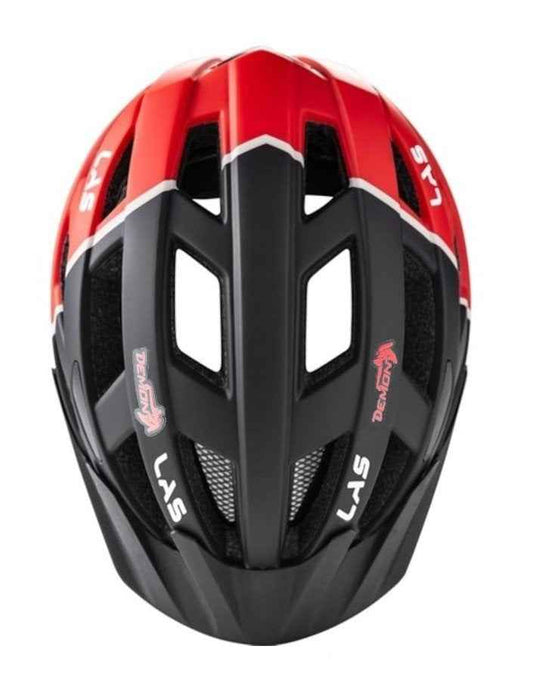

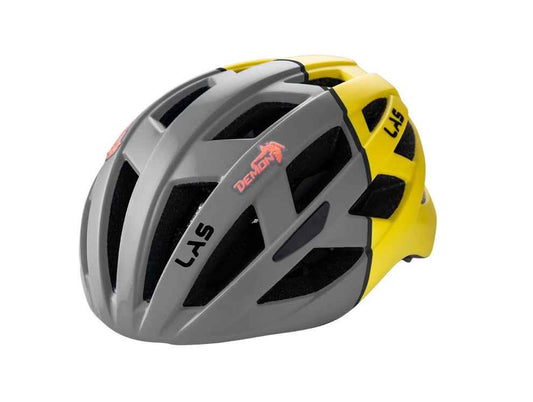
Collection: DMN Cycling Helmets for Racing Bikes and Mountain Bikes
DMN Cycling Helmets for Racing Bikes and Mountain Bikes
DMN cycling helmets are designed for both road cycling and mountain biking, combining cutting-edge technology, comfort, and safety. These helmets are the result of a close collaboration between DMN and the renowned helmet manufacturer LAS, known for their expertise in creating high-performance cycling gear.
Crafted with precision, DMN helmets utilize the advanced In-Moulding process, a technique that fuses the outer shell and inner foam layer (made from high-quality polystyrene) into a single, solid piece. This construction method not only increases the helmet’s resistance to impacts but also improves overall structural integrity, ensuring better energy absorption during crashes. The result is a helmet that provides maximum protection without compromising lightweight performance essential for both competitive racing and rugged off-road adventures.
In addition to safety, DMN helmets are designed with ventilation and comfort in mind. Strategically placed air channels keep cyclists cool on long rides, while ergonomic padding ensures a secure and comfortable fit. Whether you're tackling steep mountain trails or speeding down paved roads, DMN helmets combine safety, performance, and style to enhance your cycling experience.
How to Choose the Most Suitable Cycling Helmet for Your Needs
Choosing the right cycling helmet is a critical decision for both safety and comfort. The helmet you wear can significantly reduce the risk of injury in the event of a fall or collision, making it one of the most important pieces of cycling equipment.
1. Prioritize Safety Above All
The first factor to consider is safety. A helmet’s primary function is to protect your head during an accident. Understanding the construction and technology used in a helmet is essential. For both road cycling and mountain biking, helmets made with In-Moulding Technology are highly recommended. This method fuses the helmet’s outer shell and inner foam liner into a single, solid piece, which enhances structural strength, improves impact absorption, and provides superior protection.
2. Compliance with Safety Standards
A high-quality helmet must comply with recognized safety standards. In Europe, cycling helmets are tested according to EN 1078:1997 and EN 1080:1997 regulations, which set strict guidelines for impact resistance, retention systems, and coverage. Choosing a helmet that meets these standards ensures that it has undergone rigorous testing and provides reliable protection.
3. Comfort and Fit
A helmet should fit securely without feeling tight or uncomfortable. Poorly fitted helmets can shift during rides, reducing their protective effectiveness. Look for adjustable straps, ergonomic padding, and helmets that allow you to fine-tune the fit to your head shape.
4. Weight and Ventilation
Lower-cost helmets may be heavier and poorly ventilated, which can cause discomfort during long rides. High-quality helmets, by contrast, balance protection with lightweight construction and efficient ventilation systems. Proper airflow keeps your head cool and reduces sweat buildup, which is especially important during long road rides or challenging mountain trails.
5. Additional Considerations
Other features to consider include aerodynamics (for racing), durability (for mountain biking), and style. While safety is the priority, a well-designed helmet can also enhance your riding experience by being comfortable, breathable, and visually appealing.

Ventilation and Fit
When it comes to cycling helmets, ventilation and fit are just as important as safety. A helmet that fits poorly or lacks proper airflow can quickly become uncomfortable, especially during long rides or intense physical activity.
1. Ventilation:
The airflow of a helmet is not determined solely by the number or size of external air vents. While vents allow fresh air to enter and heat to escape, the internal structure and padding of the helmet play a crucial role in guiding air over the head. High-quality helmets feature strategically designed channels beneath the outer shell and breathable padding that promotes continuous air circulation, helping to regulate temperature and reduce sweat accumulation. This ensures that even on hot days or steep climbs, your head remains cool and comfortable.
2. Fit:
A well-ventilated helmet is only effective if it fits properly. A helmet that is too loose can shift during riding, reducing both comfort and safety. Conversely, a helmet that is too tight can cause pressure points and discomfort, negating the benefits of ventilation. Modern helmets often include adjustable retention systems and ergonomic padding, allowing cyclists to achieve a snug, secure fit that adapts to the shape of their head. Proper fit also ensures that the helmet sits correctly, maximizing both protection and airflow.
3. Combining Ventilation and Fit:
The best cycling helmets strike a balance between excellent airflow and a secure, comfortable fit. In mountain biking, where rides may involve slower speeds and more exertion, airflow prevents overheating while the helmet’s fit protects against jolts and bumps. In road cycling, lightweight helmets with optimal ventilation reduce fatigue on long rides, keeping the rider fresh and focused.

Comfort, Fit, and Practical Features of Cycling Helmets
Choosing a cycling helmet with removable padding offers significant advantages beyond comfort. Removable padding makes it easy to clean and maintain your helmet, ensuring hygiene and freshness even after long, sweaty rides. Regular cleaning also helps preserve the helmet’s material and extends its lifespan, keeping it in optimal condition.
Fit and Sizing
A proper fit is essential for both safety and comfort. The size of a cycling helmet should correspond to your head circumference. Standard road cycling helmets usually provide a tolerance margin of at least 4 centimeters, allowing some flexibility while still maintaining secure protection.
Most helmets follow a simple sizing system, making it easy to select the correct size, even when shopping online:
- S/M: 55–58 cm
- L/XL: 59–61 cm
For precise adjustment, many helmets feature a wheel mechanism at the back, which allows cyclists to fine-tune the fit. This system enables you to tighten or loosen the helmet quickly, ensuring maximum comfort and a snug fit, which is critical for maintaining safety during rides.
Additional Protective Features
High-quality helmets also include thoughtful features such as a removable and washable anti-insect net inside. This small yet practical detail protects the rider from bees, flies, and other insects that could enter the helmet while cycling, whether on a road bike or a mountain trail. The net not only enhances safety but also adds to the overall comfort and enjoyment of your ride.

Rear Light for Maximum Safety and Visibility
One of the standout features of DMN cycling helmets is the integrated rear LED light, designed to enhance rider safety in all conditions. Equipped with four high-brightness LEDs, this light offers multiple modes, including steady illumination and intermittent flashing, allowing cyclists to choose the most suitable setting depending on their environment.
The addition of a rear light on the helmet provides a significant boost to visibility, particularly in low-light conditions such as early morning, dusk, or during overcast weather. Studies have shown that combining a rear light under the saddle with a helmet-mounted light can increase a cyclist’s visibility by over 40%, making it far easier for motorists and other road users to notice the rider from a distance.
Beyond visibility, this feature also contributes to overall rider safety. In addition to protecting the head in case of impacts, the rear light ensures that cyclists remain visible from behind, reducing the risk of accidents on busy roads or poorly lit trails. The convenience of having the light built directly into the helmet means there’s no need for extra accessories, keeping the setup streamlined, lightweight, and practical.

The Importance of Wearing a Cycling Helmet
While wearing a cycling helmet is not legally mandatory in many countries, it is strongly recommended by cycling experts, safety organizations, and professional riders alike. Helmets are designed to provide critical protection in the event of a fall, collision, or unexpected obstacle, significantly reducing the risk of serious head injuries.
Cycling, whether on roads or mountain trails, carries inherent risks. Even experienced riders can encounter situations beyond their control, such as sudden traffic, slippery surfaces, or unpredictable terrain. Wearing a helmet acts as a first line of defense, absorbing impact and protecting the skull and brain from trauma.
Experts emphasize that a helmet is a small investment for potentially life-saving benefits. Beyond safety, helmets also encourage responsible riding habits, demonstrate preparedness, and set a positive example for other cyclists, especially children and beginners.
In short, even if it is not legally required, choosing to wear a cycling helmet is a simple and effective way to safeguard yourself, giving you confidence and peace of mind during every ride, whether you are commuting, racing, or exploring mountain trails.