





Collection: Mountain Glasses with Category 4 Smoke Lenses
MOUNTAIN GLASSES WITH CATEGORY 4 LENSES
An excursion in the high mountains or across glaciers is not just a physical journey but also a mental and emotional escape. Far from the noise of the city, surrounded by silence, rock, snow, and sky, every step in the mountains represents a deeper immersion into nature’s raw power. For mountaineers, hikers, climbers, and adventure enthusiasts, the experience is shaped not only by endurance and determination but also by the reliability of the equipment they carry.
Among the most essential pieces of gear are protective glasses. Just as choosing the right boots or technical clothing can determine the success of an expedition, safeguarding your eyes is absolutely crucial. At high altitudes, the intensity of sunlight is amplified by two key factors: the reduction of atmospheric filtering and the reflection of light from snow and ice. The higher you climb, the thinner the atmosphere becomes, which means less protection from harmful ultraviolet (UV) rays. Combined with the dazzling glare of snowfields and glaciers, this creates extremely harsh lighting conditions that can quickly strain and damage the eyes if not properly shielded.
This is where mountain glasses with category 4 lenses come into play. Unlike standard sunglasses or even category 3 lenses which are typically used for beaches or everyday outdoor activities category 4 lenses are designed specifically for extreme brightness. They are significantly darker, filtering out more visible light and offering maximum protection against glare. For hikers who are particularly sensitive to strong light, or for those who plan to spend hours under intense sun at high altitude, these lenses provide unmatched comfort. With them, the eyes remain relaxed and focused, even during long ascents or under the blinding midday sun.
Category 4 mountain glasses are not just a luxury they are a necessity for serious alpine adventures. They are the go-to choice for expeditions on iconic peaks such as Everest, K2, Mont Blanc, or any climb above 4,000 meters, where conditions are at their most extreme. On such demanding routes, the risk of snow blindness a painful condition caused by overexposure to UV rays is very real. The specialized dark lenses help prevent this, ensuring that mountaineers can maintain visibility and concentration without constant discomfort from glare.
Another unique challenge in the mountains is the way light behaves. Snow and ice act as natural mirrors, scattering and reflecting sunlight in every direction. This means that even when the sun is not directly overhead, the eyes are exposed to rays bouncing up from below. Category 4 glasses effectively counter this phenomenon, shielding the eyes from both direct and reflected light.

The category 4 mountain lens is not limited to use only in extreme high-altitude environments. While it is specifically designed for the intense light conditions found on glaciers and above 4,000 meters, it can also be used effectively during excursions at lower altitudes as an additional form of protection for the eyes.
Even at mid-mountain levels or during long hikes in exposed terrain, sunlight can be surprisingly harsh. Trails that cross rocky ridges, open meadows, or areas near bodies of water often reflect significant amounts of light, adding extra strain to the eyes. In these situations, a category 4 lens provides an extra barrier against glare and brightness, allowing hikers to enjoy the landscape without constantly squinting or feeling discomfort.
Compared to category 3 lenses, which are generally suitable for beaches, city use, or moderate outdoor conditions, category 4 lenses offer a noticeably darker filter. This higher level of protection translates into a greater sense of visual comfort and relaxation, especially when the glasses are worn for several hours at a time. For those who spend entire days outdoors moving between shaded forest sections and fully exposed high-altitude trails the difference becomes particularly clear. The eyes stay less fatigued, reducing the risk of headaches and visual stress caused by prolonged exposure to strong light.
This enhanced comfort makes category 4 lenses not just a technical solution for mountaineers but also a valuable ally for anyone who wants to preserve their eyesight during long and demanding outdoor adventures. By maintaining sharper focus and reducing the need to strain against excessive brightness, they allow hikers to fully enjoy the surrounding environment with clarity and ease.
Technical Characteristics of Mountain Glasses with Category 4 Lenses
Protection from UV Rays and Optimal Vision
Category 4 mountain lenses are specifically designed to cope with the unique visual challenges of mountaineering, but their benefits extend beyond the high peaks. Increasingly, they are also used for trekking and excursions at lower altitudes because of the way they keep the eyes comfortable and relaxed, even during long exposure to intense sunlight.
At higher elevations, sunlight is not only stronger but also more direct, and the snow or rock surfaces reflect light in ways that amplify its impact. Without proper protection, hikers and climbers risk eye fatigue, headaches, or even snow blindness. Category 4 lenses, being darker than category 3, filter out this excess brightness, ensuring clearer vision and greater comfort in extreme conditions.
Most high-quality models are treated with anti-fog technology, which is particularly valuable when moving between shaded and sunlit areas, or when exertion causes body heat to rise. This ensures the lens remains clear, allowing mountaineers to focus entirely on the route ahead. For those who are sensitive to light or easily bothered by glare, choosing these lenses is not only a matter of comfort it is a guarantee of enjoying every step of the adventure with sharper, more reliable vision.
Unbreakable Lens
Safety is non-negotiable in the mountains, and the lenses of these glasses reflect that. All category 4 mountain glasses are built with anti-break polycarbonate lenses, a material chosen specifically for its durability and resilience. Unlike glass or standard plastic lenses, polycarbonate is impact-resistant and does not shatter into dangerous fragments upon impact.
Instead, if subjected to extreme stress, the material distributes the shock across the lens, creating a “spider web” cracking pattern that renders the lens unusable but without harming the wearer. This property makes polycarbonate the gold standard for technical eyewear in harsh and unpredictable environments, where falls, rock slides, or accidental bumps are always possible.
Ultralight Frames
In addition to protecting the eyes, mountain glasses must also remain comfortable for hours of continuous wear. That’s why the frames of these glasses are typically made from TR90, an advanced nylon and carbon fiber composite. This material makes the frames up to 20% lighter than those made with conventional plastics or metals, significantly reducing fatigue during long days outdoors.
TR90 is not only lightweight but also exceptionally resistant to extreme temperatures whether in the scorching sun at altitude or in icy, sub-zero conditions. Its flexibility provides added durability against mechanical stress, ensuring that the glasses can withstand the rigors of alpine environments.
Comfort is further enhanced with Megol rubber inserts, placed on the contact points of the frame. Megol is both soft and hypoallergenic, which means the glasses stay gentle on the skin even with prolonged use, preventing irritation. Its Grip technology increases adhesion, keeping the glasses stable even when moving quickly or sweating. This ensures that the glasses remain securely in place, regardless of the pace of the climb.
Advanced Technologies
Beyond the standard features, certain models of mountain glasses with category 4 lenses are equipped with specialized technologies designed to meet the needs of different outdoor activities. Choosing the right model therefore depends on the type of excursions and the specific conditions in which the glasses will be used.
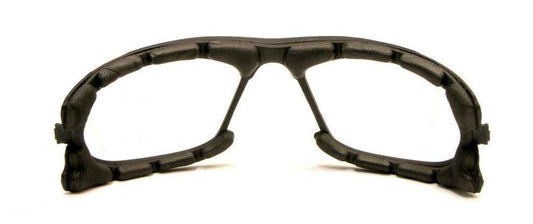
For example, the OUTDOOR and EIGER models feature a sweat sponge made of soft, hypoallergenic material. This accessory provides multiple benefits: it prevents lateral light from entering the eyes, shields against dust, insects, and small debris like leaves, and offers an additional layer of warmth in cold environments. Such a feature is especially appreciated during winter climbs or glacier crossings, where both light and wind can be extremely intense.
Additionally, all models are supplied with a removable elastic cord, which enhances stability by keeping the glasses firmly in place. This is particularly useful for demanding ascents or technical climbs where sudden movements and vibrations could cause glasses to slip. With the cord in place, mountaineers can focus on their performance without worrying about their eyewear shifting or falling.

All mountain glasses with category 4 lenses are supplied in a durable hard case, specifically designed to protect them from damage during transport. This case provides an essential layer of security when the glasses are stored inside a backpack, where they are often subjected to pressure, accidental knocks, or contact with other equipment such as water bottles, trekking poles, or crampons.
The rigid structure of the case prevents the lenses from being scratched and shields the frames from potential bending or breakage, ensuring that the glasses remain in perfect condition for every excursion. Its compact size makes it easy to carry without taking up excessive space, while the sturdy zipper and protective inner lining add an extra level of safety.
Having a dedicated hard case means that mountaineers and hikers can confidently store their glasses when not in use, knowing they are well-protected even in the roughest conditions. This thoughtful accessory reflects the same technical attention to detail as the glasses themselves, making the entire package reliable, practical, and long-lasting.

For Those Who Wear Eyeglasses
Mountain excursions are demanding not only on the body but also on vision. For those who rely on prescription glasses, finding adequate protection in extreme light conditions can often be a challenge. Traditional sunglasses or standard clip-on filters are usually insufficient in high-altitude environments, where the intensity of sunlight and UV rays is significantly stronger.
To meet this need, certain models of mountain glasses with Category 4 lenses such as the OUTDOOR model have been designed with a special internal clip system. This clip allows prescription lenses to be mounted inside the frame, combining the optical correction required for clear vision with the advanced light protection of a technical mountaineering lens.
The great advantage of this solution is its practicality and versatility. Instead of having to choose between prescription glasses or protective sunglasses, mountaineers can enjoy both functions at once. The internal clip ensures that the prescription lenses stay securely in place, while the external Category 4 lens filters out excessive brightness, glare, and harmful UV rays.
This design not only improves visual clarity but also reduces eye strain, allowing those who wear eyeglasses to maintain comfort and focus even during long days in the mountains. Furthermore, because the prescription lenses are protected by the outer lens and frame, they are less exposed to dust, snow, and accidental scratches, which extends their durability.
With this system, technical eyewear becomes truly inclusive: it guarantees that everyone from professional climbers to recreational hikers can benefit from the same level of eye protection and comfort, regardless of whether they need prescription correction.
