
-
TIGER SUN READING
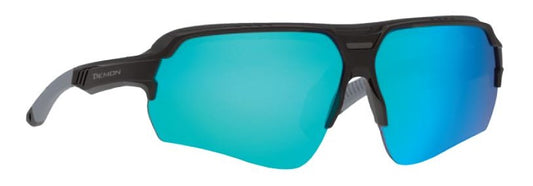
Vendor:Sport Fishing Glasses Polarized Mirror LensesRegular price €100,00Regular priceUnit price per -
SHAKE SUN READING
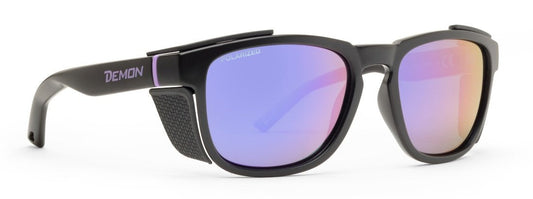
Vendor:Sports eyeglasses with graduated bezel and G15 polarized lensesRegular price €100,00Regular priceUnit price per

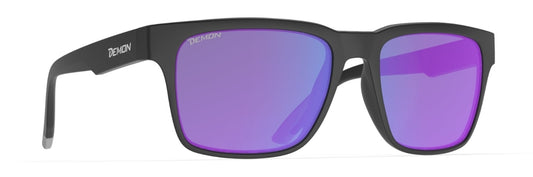

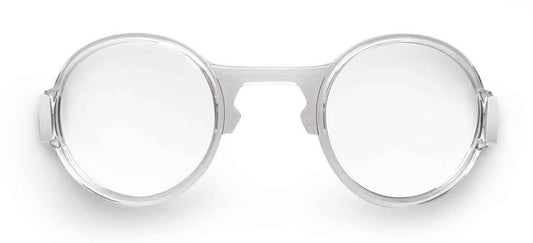

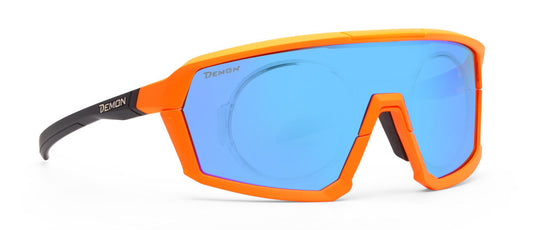

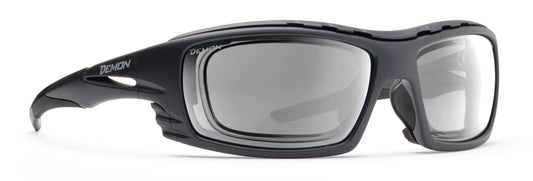





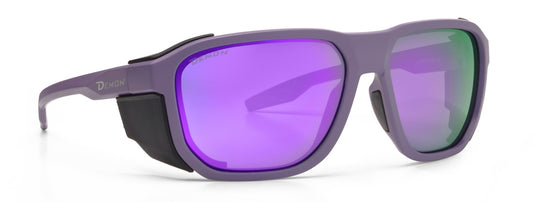

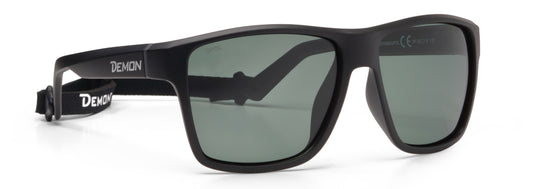

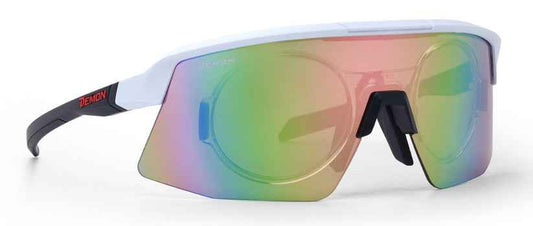

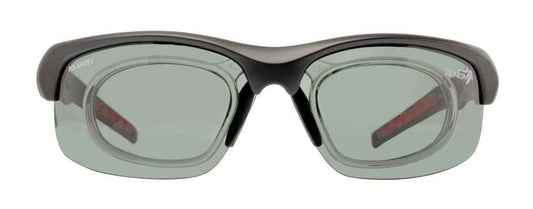

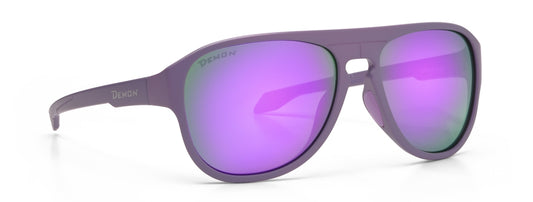


Collection: Prescription Glasses for Sport Fishing
Prescription Glasses for Sport Fishing
Sport fishing is a pastime that demands precision, focus, and excellent visual acuity. Whether you are tracking subtle movements in the water, monitoring your fishing line, or assessing underwater structures, clear vision is essential for a successful and enjoyable experience.
For anglers who wear prescription lenses, using standard sunglasses or contact lenses may not always provide the required clarity or comfort. Prescription glasses for sport fishing bridge this gap, offering custom vision correction while simultaneously reducing glare, enhancing contrast, and protecting your eyes from sunlight, reflections, and environmental elements such as wind, dust, and water spray.
Investing in high-quality prescription sport fishing glasses not only improves your ability to spot fish and navigate tricky waters but also reduces eye fatigue, allowing for longer, more comfortable fishing sessions. These specialized glasses often feature polarized lenses, which minimize glare from reflective surfaces like lakes, rivers, or the ocean, ensuring a clear view beneath the water’s surface.
In this guide, we will explore the key factors to consider when selecting prescription glasses for sport fishing, including lens types, frame materials, fit and comfort, UV protection, and additional features that can enhance performance on the water. Whether you are a beginner or an experienced angler, choosing the right glasses can significantly improve your accuracy, safety, and overall enjoyment during every fishing trip.

Corrective Lenses for Sport Fishing Glasses: Single Vision, Bifocal, and Progressive
For anglers who require vision correction, prescription sport fishing glasses can be fitted with a variety of corrective lenses to match individual visual needs. Choosing the right type of lens is essential for maintaining clear vision, reducing eye strain, and enhancing performance on the water.
Single Vision Lenses for Sport Fishing Glasses
Single vision lenses are specialized corrective lenses designed to address one specific type of vision problem, such as myopia (nearsightedness) or hyperopia (farsightedness). By focusing correction on a single range of vision, these lenses provide crystal-clear clarity at a predetermined distance, ensuring that the angler’s vision is sharp and precise for the task at hand.
For sport fishing, single vision lenses are particularly useful in scenarios where the visual demands are focused on one primary distance:
- Distance Vision: Anglers who need to scan the water, observe fish behavior, or detect underwater structures benefit from single vision lenses optimized for long-range clarity. These lenses allow you to spot fish or subtle water movements from afar without straining your eyes.
- Near Vision: For tasks that require close-up focus, such as tying knots, handling hooks, or preparing bait, single vision lenses can be tailored to provide optimal clarity for up-close work, making precision tasks easier and reducing eye fatigue.
Single vision lenses are often lighter and simpler than multi-focal alternatives, which makes them comfortable for long hours of wear. They can be integrated directly into the sport fishing glasses’ frame or used with clip-on systems, allowing flexibility and convenience without compromising vision quality.
By selecting single vision lenses suited to your primary visual needs, anglers can enhance accuracy, reduce strain, and maintain full focus on their fishing activities, ensuring both comfort and performance throughout the day.
Bifocal Lenses for Sport Fishing Glasses
Bifocal lenses are advanced corrective lenses that incorporate two distinct visual correction zones within a single lens. One zone is designed for near vision, while the other is optimized for distance vision, allowing the wearer to comfortably see clearly at multiple focal lengths without needing to switch glasses.
For sport fishing, bifocal lenses are particularly advantageous because anglers frequently alternate between tasks requiring different focal distances:
- Near Vision Zone: This lower section of the lens provides clarity for close-up activities, such as tying knots, handling bait, adjusting hooks, or reading instruments. It allows for precision and detail in tasks where accuracy is essential, reducing eye strain and improving efficiency.
- Distance Vision Zone: The upper section of the lens is optimized for far vision, allowing anglers to observe fish movements, scan the water surface, monitor floats, or detect underwater structures from a distance. This ensures that anglers maintain situational awareness while performing close-up tasks.
The dual-zone design of bifocal lenses eliminates the need to constantly remove or adjust glasses, providing seamless transitions between near and far focus. This is particularly helpful in sport fishing, where both precision and observation are critical for success.
Bifocal lenses can be integrated directly into specialized sport fishing glasses or used with clip-on systems, offering flexibility for anglers who may already have multiple pairs of sunglasses or polarized lenses for varying light conditions.
By using bifocal lenses, anglers gain enhanced versatility, improved visual accuracy, and reduced eye fatigue, allowing them to focus on the experience of fishing without compromise.
Progressive Lenses for Sport Fishing Glasses
Progressive lenses are state-of-the-art corrective lenses that provide a smooth, continuous transition between multiple focal lengths, including near, intermediate, and far distances. Unlike bifocal lenses, progressive lenses do not have visible lines separating the different zones, creating a seamless visual experience.
For anglers, progressive lenses are particularly advantageous because fishing often requires simultaneous attention to multiple focal points:
- Near Vision: The lower portion of the lens allows anglers to perform close-up tasks such as tying knots, adjusting hooks, checking bait, or reading instruments with precision and clarity.
- Intermediate Vision: The central part of the lens is ideal for tasks at mid-range, such as monitoring the fishing line, detecting subtle movements on the water, or handling gear.
- Distance Vision: The upper section of the lens provides clear long-distance vision, enabling anglers to observe fish activity, scan the water surface, or identify underwater structures without straining their eyes.
The gradual gradient of progressive lenses ensures that transitions between different focal distances are smooth and natural, minimizing visual distortions and eye fatigue even during prolonged fishing sessions. This makes progressive lenses a comfortable and versatile solution for anglers who require sharp vision across multiple distances at the same time.
Progressive lenses can be integrated directly into sport fishing glasses or used with clip-on systems, providing flexibility for those who already own polarized or specialized lenses for varying light conditions.
By choosing progressive lenses, anglers benefit from enhanced visual performance, comfort, and accuracy, allowing them to fully enjoy their sport while maintaining precision and safety on the water.
Integration and Versatility
Corrective lenses can be integrated directly into the sport fishing glasses’ frame for a seamless, permanent solution. Alternatively, some sport fishing glasses are designed to accommodate clip-on prescription lenses, providing a flexible option that allows you to switch between prescription and non-prescription use. This versatility is particularly valuable for anglers who own multiple sunglasses or polarized lenses for different light conditions.

Why Use Prescription Glasses for Sport Fishing?
Prescription glasses for fishing are far more than simple vision-correcting tools they are essential accessories that enhance your overall fishing experience, providing clarity, protection, and comfort in challenging outdoor environments. Here’s why they are highly recommended for every angler:
1. Improved Vision Above and Below the Water
Sport fishing requires sharp vision at multiple distances from observing fish movements beneath the water to scanning the horizon or surrounding environment. Prescription lenses correct vision deficiencies while often incorporating polarized or anti-glare technology, allowing you to clearly see fish, underwater structures, and obstacles that would otherwise be difficult to detect. This level of visual precision can significantly improve your accuracy and success rate.
2. Protection from Environmental Elements
Fishing exposes your eyes to harsh sunlight, wind, water glare, and flying debris. Prescription fishing glasses act as a protective barrier, shielding your eyes from UV rays, dust, sand, and splashes. This protection not only prevents discomfort but also reduces the risk of long-term damage caused by prolonged exposure to sunlight and reflective surfaces.
3. Reduced Eye Strain and Fatigue
Extended fishing sessions, particularly on bright, reflective surfaces like lakes, rivers, or oceans, can strain your eyes, causing headaches and visual fatigue. Prescription fishing glasses minimize glare and reflections while providing the correct focal adjustment for your vision, helping to keep your eyes relaxed and focused for longer periods.
4. Increased Safety on the Water
Durable, wraparound prescription fishing glasses protect your eyes from unexpected hazards, including water splashes, flying insects, hooks, or forcefully cast lures. This added protection ensures you can fish safely without worrying about potential eye injuries, making the experience more comfortable and secure.
5. Enhanced Overall Performance
By combining corrective lenses, polarized or anti-glare technology, and protective design, prescription fishing glasses help anglers see more clearly, react faster, and maintain focus. Investing in specialized fishing glasses is not just a matter of comfort—it’s a strategic choice that improves performance, safety, and enjoyment during every outing.

Types of Lenses for Sport Fishing Glasses
When selecting prescription glasses for sport fishing, the type of lens is one of the most critical considerations. The right lens can dramatically improve visual clarity, comfort, and safety, allowing anglers to perform at their best under various conditions. Below are the main types of lenses commonly used for sport fishing:
Polarized Lenses
Polarized lenses are the top choice for anglers because they reduce glare from reflective surfaces, such as water, ice, or wet rocks. By filtering horizontal light reflections, these lenses allow you to see clearly beneath the surface, making it easier to spot fish, identify underwater structures, and judge depth.
Advantages:
- Significantly reduces glare from water surfaces
- Enhances contrast and improves depth perception
- Provides 100% UV protection, safeguarding eye health
Ideal for:
- Freshwater and saltwater fishing
- Bright, sunny conditions where water reflection is strong
- Activities requiring precise underwater visibility
Photochromic Lenses
Photochromic lenses are adaptive lenses that automatically adjust to changing light conditions. They darken in bright sunlight to reduce glare and lighten in low-light or overcast conditions to maintain clarity, ensuring comfortable vision in variable environments.
Advantages:
- Automatic adjustment to different lighting conditions
- Reduces eye strain during prolonged fishing sessions
- Provides clear vision from dawn to dusk
Ideal for:
- Anglers fishing in rivers, lakes, or shaded areas with shifting light conditions
- Environments where sunlight intensity can change frequently
- Situations requiring versatile, all-day wear
Mirrored Lenses
Mirrored lenses feature a reflective coating on the outer surface that deflects a portion of sunlight, making them highly effective at reducing glare in extremely bright environments. They are particularly useful for open water or open-sea fishing, where sunlight can be intense and reflected off the water for long periods.
Advantages:
- Maximum reduction of glare in very bright conditions
- Enhances visual comfort and reduces eye fatigue
- Provides additional protection from intense sunlight
Ideal for:
- Open-sea fishing or saltwater environments
- Bright, sunny days with strong reflections off the water
- Anglers needing superior eye comfort and protection
Choosing the right lens type depends on your fishing environment, light conditions, and personal visual needs. Many anglers also combine features, such as polarized photochromic lenses, for the ultimate in comfort, glare reduction, and adaptability.

All Lenses Are Made of Polycarbonate
All sport fishing lenses, whether polarized, photochromic, or mirrored, are made from high-quality polycarbonate, a material renowned for its combination of lightness, strength, and impact resistance. Polycarbonate lenses are particularly well-suited for fishing and other outdoor activities because they provide both protection and comfort over long periods of use.
Advantages of Polycarbonate Lenses:
- High Durability: Resistant to scratches and wear, ensuring the lenses maintain clarity over time even with frequent use in rugged environments.
- Lightweight: Polycarbonate is much lighter than traditional glass lenses, reducing pressure on the nose and temples and allowing anglers to wear their glasses for extended periods without discomfort.
- Impact Protection: Offers exceptional resistance to accidental impacts, such as flying hooks, lures, or debris, keeping your eyes safe during active fishing.
- UV Protection: Many polycarbonate lenses also come with built-in UV filtering, providing an extra layer of defense against harmful rays.
Ideal for:
- Sport fishermen who spend long hours on the water
- Environments where physical hazards like hooks, branches, or splashes are common
- Anglers seeking long-lasting, high-performance eyewear that combines protection, comfort, and visual clarity
By choosing polycarbonate lenses, anglers ensure that their sport fishing glasses deliver reliable performance, safety, and comfort in any fishing scenario, from calm lakes to rough seas.
Lens Color: How to Choose the Best Option for Fishing
The color of your sport fishing lenses plays a crucial role in determining how you perceive light, contrast, and depth in different environments. Choosing the right lens color enhances visibility, reduces eye strain, and can even improve your ability to spot fish in various water conditions. Here’s a detailed guide on the most suitable lens colors for fishing:
Gray Lenses
Gray lenses are neutral in color, providing true-to-life color perception while reducing overall brightness and glare. They are particularly effective in bright sunlight and reflective conditions, such as open water or sunny lakes.
Advantages:
- Reduces eye strain in intense sunlight
- Maintains natural color balance for accurate perception
- Reduces glare without altering colors
Ideal for:
- Sunny days on rivers, lakes, or the sea
- Open water fishing with strong reflections
- Anglers seeking a balanced, all-purpose lens
Brown or Amber Lenses
Brown or amber lenses enhance contrast and depth perception, making it easier to detect fish, underwater structures, and subtle changes in the water. These colors are particularly effective in freshwater environments, murky or stained waters, or during partly cloudy days.
Advantages:
- Improves contrast between objects and background
- Enhances visual definition in low-visibility water
- Reduces glare from reflective surfaces while adding warmth to the scene
Ideal for:
- Freshwater fishing in rivers, ponds, or lakes
- Murky or stained water conditions
- Anglers seeking better detail recognition
Green Lenses
Green lenses offer a good balance between contrast and color accuracy. They reduce glare while enhancing natural colors, making them versatile for variable light conditions. Green lenses are effective both in sunlight and partly shaded areas.
Advantages:
- Enhances natural contrast and water clarity
- Reduces eye fatigue during long fishing sessions
- Performs well in both bright and overcast conditions
Ideal for:
- Variable weather conditions
- Mixed freshwater and coastal environments
- Anglers looking for all-around adaptability
Choosing the Right Lens Color
Selecting the proper lens color depends on:
- Fishing environment (freshwater vs. saltwater)
- Light conditions (bright sun, overcast, or shaded areas)
- Water clarity (clear, murky, or deep water)
- Personal preference for contrast and color perception
Some anglers even opt for multiple lenses or interchangeable systems, allowing them to adapt to different conditions throughout the day. Pairing the right lens color with polarized or photochromic technology ensures maximum visibility, comfort, and performance while fishing.
Frames for Sport Fishing Glasses: Comfort, Fit, and Durability
While the lenses are the most critical component of prescription sport fishing glasses, the frame is equally important for ensuring comfort, stability, and long-term durability during fishing activities. Choosing the right frame enhances overall performance and protects your eyes from environmental hazards. Here are key factors to consider:
Lightweight and Durable Materials
For long hours on the water, it’s important to choose frames made from lightweight and resilient materials. TR90, a high-performance blend of nylon and carbon fiber, is one of the best options.
Advantages:
- Ultra-lightweight: Reduces pressure on the nose and temples, allowing extended wear without discomfort
- Corrosion-resistant: Ideal for saltwater and freshwater environments, ensuring longevity
- Flexible and Impact-resistant: Absorbs shocks and resists deformation, even in rough conditions
Ideal for: Anglers who spend long days fishing and need reliable, durable eyewear.
Wraparound Design
A wraparound frame is essential for protecting your eyes from sunlight, wind, dust, water splashes, and flying debris. This design not only shields the eyes from the front but also reduces light entering from the sides, enhancing visual comfort and focus.
Advantages:
- Full peripheral coverage
- Reduces glare from reflected surfaces
- Keeps debris and water out of the eyes
Ideal for: Fishing in open water, rivers, or windy conditions where side protection is crucial.
Rubber Nose Pads and Temple Tips
Soft, adjustable rubber nose pads and temple grips are key for comfort and stability. They prevent glasses from slipping due to sweat, movement, or sudden motions while casting or reeling in fish.
Advantages:
- Enhanced comfort for prolonged use
- Secure fit during active movements
- Hypoallergenic materials prevent skin irritation
Ideal for: Anglers who need glasses that stay securely in place throughout the day.
Additional Considerations
- Adjustable Fit: Some frames allow you to fine-tune nose pads or temple length for a customized fit.
- Compatibility with Lenses: Ensure the frame can accommodate polarized, photochromic, or prescription lenses.
- Durability in Harsh Conditions: High-quality frames resist UV degradation, temperature fluctuations, and accidental impacts.
Care and Maintenance of Fishing Glasses
Proper care and maintenance are essential for keeping your prescription or polarized sport fishing glasses in optimal condition. With regular attention, you can extend the life of your lenses and frames while ensuring clear vision and reliable performance on every fishing trip. Here are some detailed tips:
Regular Cleaning
Keeping your lenses clean is critical for maintaining clarity and preventing scratches. Always use a microfiber cloth and lens-specific cleaning solutions. Avoid using tissues, paper towels, or clothing, which can cause micro-scratches.
Best Practices:
- Wipe gently in circular motions to remove dirt, dust, or smudges
- For stubborn debris, rinse the lenses with fresh water before wiping
- Avoid harsh chemical cleaners, which may damage lens coatings like anti-reflective or polarized layers
Protective Storage
When not in use, always store your fishing glasses in a hard protective case. This prevents accidental damage from impacts, drops, or pressure inside backpacks or tackle boxes.
Best Practices:
- Keep the case clean and dry
- Avoid placing heavy objects on top of the case
- Use a soft pouch for additional protection when traveling
Rinse After Use
Saltwater, sand, and other environmental residues can accumulate on lenses and frames. After fishing in sea or coastal environments, rinse your glasses with fresh, clean water to remove salt, sand, and other debris that can degrade materials over time.
Best Practices:
- Gently shake off excess water and pat dry with a soft microfiber cloth
- Avoid prolonged exposure to direct sunlight while wet, which can affect lens coatings
- Dry thoroughly before storing in a case
Handle With Care
Always handle your glasses by the temples or frame edges, avoiding touching the lenses directly. This reduces the risk of smudges, scratches, or accidental bending of the frame.
Periodic Checks and Adjustments
- Inspect screws, nose pads, and temple grips periodically to ensure they are tight and properly aligned
- Adjust temple tips and nose pads for a secure and comfortable fit

Prescription Glasses for Sport Fishing: Essential for Performance and Comfort
Prescription glasses for sport fishing are more than just a corrective tool—they are a crucial accessory that enhances vision, protects your eyes, and ensures maximum comfort during long hours on the water. Whether you’re targeting freshwater trout in a river, navigating a lake, or casting in coastal saltwater, the right glasses can make a substantial difference in your fishing experience.
Enhanced Vision for Precision and Safety
Clear, accurate vision is essential for spotting fish, monitoring your line, and assessing water conditions. Prescription sport fishing glasses allow anglers to see underwater structures, identify fish movements, and detect subtle changes in the environment that could influence success. By correcting vision imperfections, these glasses improve reaction time and precision, making your fishing sessions more productive and enjoyable.
Eye Protection in All Conditions
Fishing exposes your eyes to intense sunlight, glare from water surfaces, wind, and debris. High-quality lenses especially polarized, photochromic, or mirrored options shield your eyes from harmful UV rays and reduce glare, while sturdy frames and wraparound designs protect against accidental impacts, splashes, or insects. This combination ensures your eyes remain safe and comfortable throughout the day.
Reduced Eye Strain and Fatigue
Long periods of focusing on moving water and reflections can quickly lead to eye fatigue. Prescription sport fishing glasses with appropriate lens colors and coatings reduce glare and optimize contrast, minimizing eye strain and allowing you to fish longer without discomfort.
Comfortable and Durable Frames
Frames designed for sport fishing provide stability, lightweight comfort, and hypoallergenic materials to prevent irritation. Adjustable nose pads and temple grips ensure a secure fit, so your glasses stay in place even during active casting or sudden movements. Durable materials like TR90 resist corrosion and deformation, making them suitable for both freshwater and saltwater environments.
Optimal Lens Choices
- Polarized lenses: Reduce glare and improve underwater visibility.
- Photochromic lenses: Adapt to changing light conditions for consistent vision.
- Lens colors (gray, brown, amber, green): Enhance contrast and depth perception in different water conditions.
- Polycarbonate lenses: Offer lightweight, impact-resistant protection.
Investing in high-quality prescription glasses for sport fishing enhances your overall performance, reduces eye strain, and allows you to fish safely and comfortably. By carefully selecting the right lens type, color, and frame design, you transform your fishing experience from a tiring challenge into a fully enjoyable and successful adventure. Choose wisely and maximize every moment on the water, combining precision, protection, and comfort to fully embrace your passion for sport fishing.